
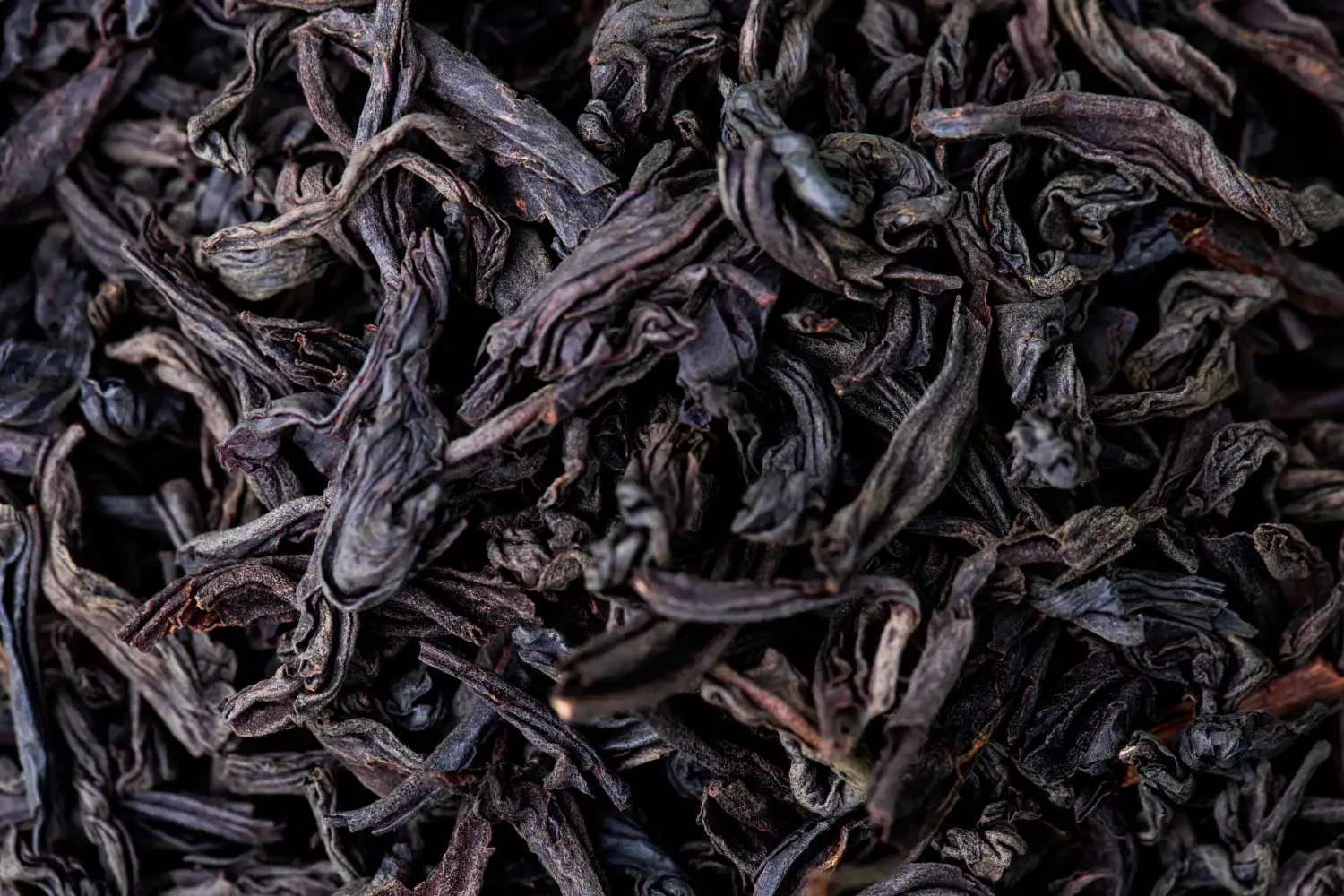
If you have only tried green tea and black tea, oolong tea might be the missing piece in your rotation.
Oolong sits between the two, giving you a wider range of flavor than either one on its own.
It comes from the same Camellia sinensis plant as every other true tea, but a unique processing step sets it apart.
That step is partial oxidation, and it is the reason oolong can taste floral one day and toasty the next, depending on the batch.
This guide covers everything you need to know before you brew your first cup.
Origin
Oolong tea originated in China’s Fujian province, with strong traditions also rooted in Taiwan.
Oxidation Level
Oolong ranges from about 10 to 80 percent oxidation, which is far wider than any other tea category.
Flavor
Expect anything from light, floral, and creamy to dark, roasted, and fruity, depending on how the specific batch was processed.
Caffeine Content
Oolong generally lands between green tea and black tea in caffeine, though exact levels vary by oxidation level and brew time.
How Oolong Tea Is Made
Oolong production starts with withering the freshly picked leaves in the sun to soften them.
Next, the leaves get bruised or shaken to encourage partial oxidation along their edges.
Producers then pause oxidation at just the right moment by applying heat, locking in the specific flavor profile they are aiming for.
Finally, the leaves get rolled or twisted into their signature shape and dried for storage.
Types of Oolong Tea
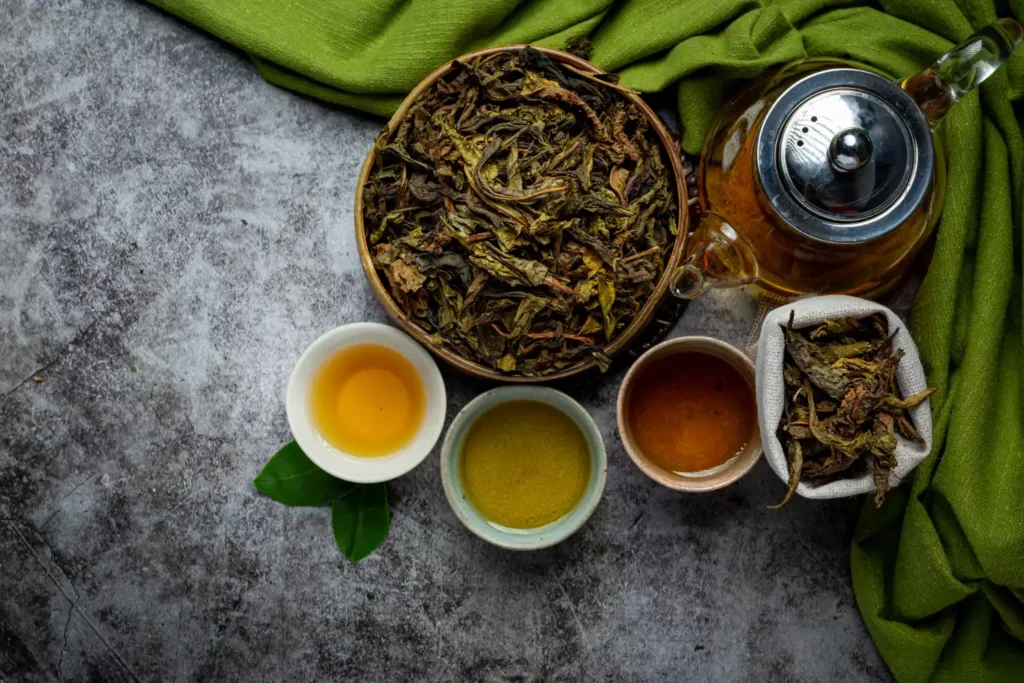
Tie Guan Yin is one of the most popular styles, known for its light, floral character and low oxidation level.
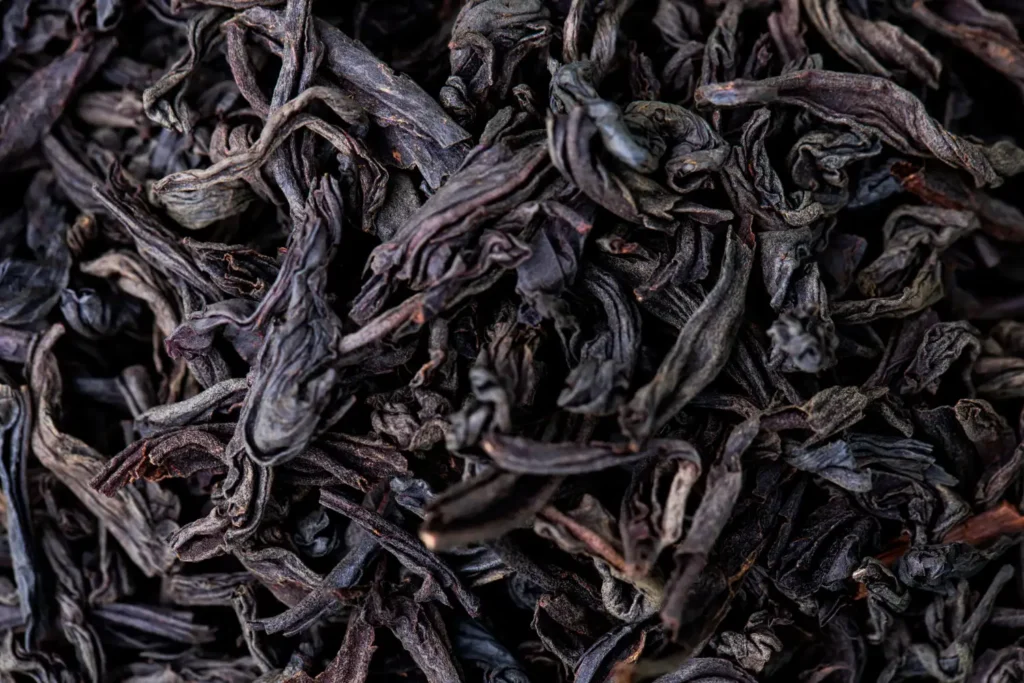
Da Hong Pao comes from Wuyi Mountain and delivers a darker, roasted flavor thanks to heavier oxidation.
Formosa oolong, grown in Taiwan, tends to sit on the sweeter, fruitier end of the spectrum.
Each region and producer puts its own spin on oolong, so trying a few styles is the best way to find your favorite.
Health Benefits of Oolong Tea
Oolong tea contains polyphenols that may support heart health as part of a balanced diet.
Some research suggests oolong can support metabolism, though it should not replace other healthy habits like diet and exercise.
The moderate caffeine content gives you a steady lift without the crash that stronger caffeine sources can cause.
Oolong also contains antioxidants that help protect your cells from everyday oxidative stress.
How to Brew Oolong Tea
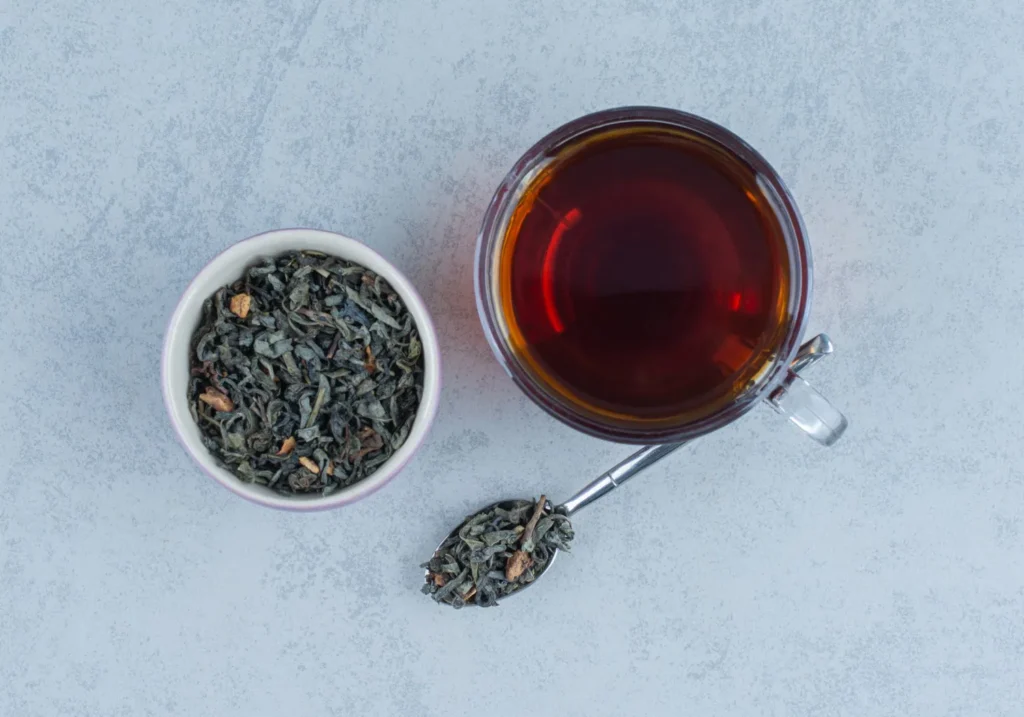
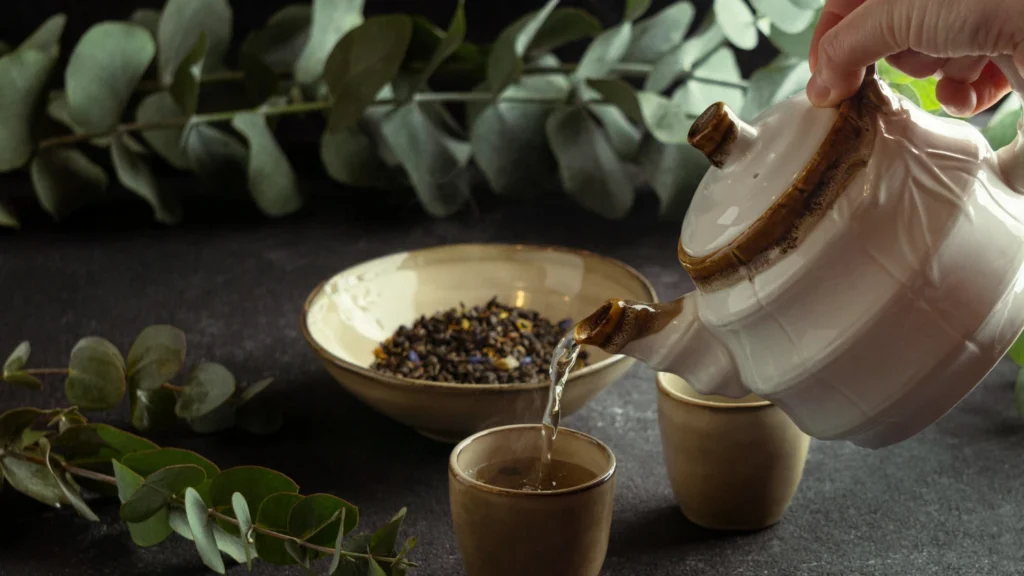
Start with water around 190°F, since oolong is more sensitive to heat than fully oxidized black tea.
Steep for 2 to 4 minutes, adjusting the time based on how oxidized your specific oolong is.
Lightly oxidized oolongs need a shorter steep, while darker, more roasted styles can handle a longer one.
Most quality oolong leaves can be resteeped two or three times, with each infusion revealing a slightly different layer of flavor.