
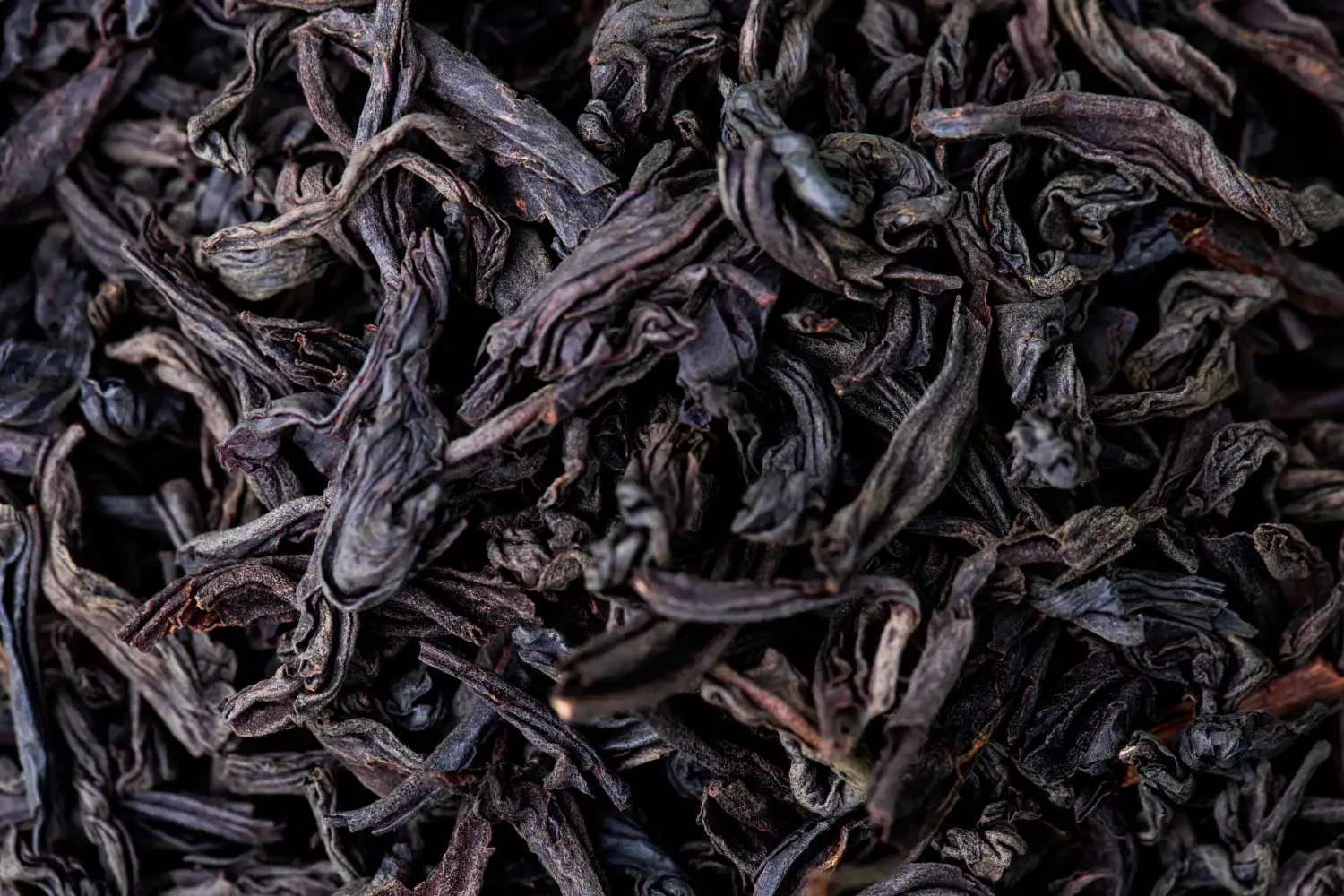
You have probably seen matcha and green tea sitting side by side and wondered if they are actually the same thing.
They come from the same plant, but that is where the similarities mostly end.
Matcha vs green tea comes down to how the leaves are grown, processed, and consumed, and those differences change everything from flavor to nutrition.
This guide walks you through both so you can pick the one that actually fits your day.
What Is Green Tea?
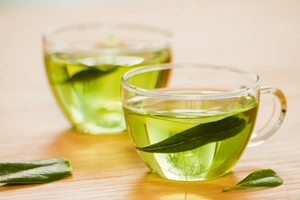
Green tea comes from Camellia sinensis leaves that are picked, quickly heated, and dried without oxidation.
That fast heating step is what keeps the leaves green and preserves their fresh, grassy flavor.
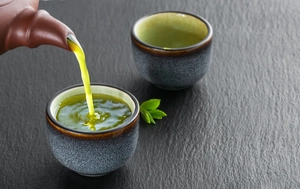
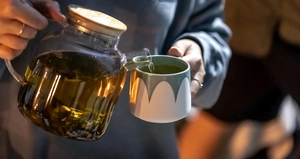
You steep the leaves in hot water, then remove them before drinking, just like most other loose leaf teas.
Green tea shows up in dozens of styles, from Japanese sencha to Chinese dragonwell, each with its own subtle character.
What Is Matcha?
Matcha starts as the same plant, but the growing and processing methods set it apart from the start.
History
Matcha traces back to Japanese tea ceremonies, where it was ground by hand and prepared as a ritual, not just a drink.
How It’s Grown
Matcha plants get shaded for several weeks before harvest, which boosts chlorophyll and amino acid levels in the leaves.
How It’s Made
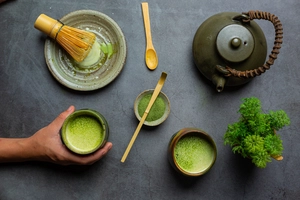
After harvest, the leaves are steamed, dried, stripped of stems and veins, then stone-ground into a fine, bright green powder.
Flavor Profile
Matcha delivers a rich, slightly sweet, umami-heavy flavor that is noticeably more intense than steeped green tea.
Nutritional Profile
Since you consume the whole leaf as powder, matcha delivers more antioxidants and nutrients per cup than steeped green tea.
Caffeine Content
Matcha typically packs more caffeine per serving than green tea, since you are drinking the entire leaf instead of an infusion.
Matcha vs Green Tea: Key Differences
Taste is the first thing you will notice. Matcha tastes bolder and more vegetal, while green tea leans lighter and more delicate.
Nutrition is the second big gap. Whole-leaf matcha gives you more antioxidants and caffeine per serving than a typical cup of green tea.
Preparation also differs quite a bit. Matcha requires whisking powder into water, while green tea just needs steeping and straining like any standard tea.
Price is worth knowing too. Quality matcha usually costs more per serving than loose leaf green tea, thanks to the extra labor involved in shading and grinding it.
Which One Should You Choose?
Neither option beats the other outright. Your choice really comes down to your routine and taste preference.
If you want a quick, light daily habit, green tea is the easier and cheaper pick.
If you want a stronger flavor and a more concentrated dose of nutrients, matcha is worth the extra effort.

For Energy and Focus
Matcha gives you a steadier caffeine release than coffee, thanks to an amino acid called L-theanine that smooths out the jitters.
Green tea offers a gentler lift, which works well if you are sensitive to caffeine.

For Antioxidants
Matcha wins here, since you consume the whole ground leaf instead of just an infusion.
Green tea still delivers a solid antioxidant boost, just at a lower concentration per cup.
For Convenience
Green tea is faster. Drop a bag or leaves in hot water, steep, and go.
Matcha takes a few extra minutes for whisking, plus a bit more cleanup afterward.

For Budget
Green tea is generally the more affordable everyday option, especially in bagged form.
Matcha costs more upfront, but a little powder goes a long way if you are making it at home regularly.